Smaller customer bases and limited operating resources call for infrastructure investments that fit the community’s scale and growth curve
A water or wastewater project can put a small utility between a rock and a hard place, no matter how much the community needs it. Existing customers need reliable service, and new development needs capacity, but the utility only has so much money. For smaller systems, taking on the full capital and long-term operational responsibility of traditional ownership can place even greater pressure on limited financial and staffing resources.
Modern options such as service-based wholesale agreements, leasing, and project phasing can address the challenges smaller service areas face from several different angles.
Leasing and wholesale agreements can allow smaller utilities with limited access to investment dollars to control initial capital outlay while keeping options open.
Phased installation can also push back investment until demand actually arrives.
A small utility with a staff of one or two employees may also find it impractical to go it alone with long-term operations, maintenance, upgrades, and compliance at a time when the tasks have all become more complex, costly, and technically demanding. Wholesale agreements with a specialized partner can deliver the capacity and lift the burden of operations and maintenance (O&M) for a small utility without the demands of managing multiple contractors or attracting and retaining a specialized workforce.
Why Infrastructure Projects Hit Small Utilities Differently
A multimillion-dollar infrastructure project creates a very different financial burden when it’s shared across a big city’s customer base than when it’s shared among only a few hundred small-utility customers. Small utilities not only have fewer ratepayers, but they may pay more than twice what large systems pay per capita for improvements to essential infrastructure.
Texas has made a major new commitment to water infrastructure funding, including projects that can benefit smaller communities facing costly system needs. For small utilities, access to state financing can be particularly important because major improvements are spread across fewer customers.
Recent state-funded projects illustrate the scale and variety of those needs. Smaller Texas communities have received funding for projects such as tank and generator rehabilitation, new water service lines and meters, new wells, and drinking water system improvements.
Even when funding is available, limited staff and financial resources can make pursuing it difficult. Grant applications, engineering reviews, financing packages, and other program requirements can add significant work for utility staff who may already wear several hats.
Growth Can Create an Especially Difficult Capacity Problem
A new subdivision may seem like insignificant growth for a large city, but the same development could drastically increase demand on a small utility. To support growth, treatment capacity will need to arrive well before the new ratepayers, creating a significant financial hurdle for small communities. A costly full buildout to meet the final projected demand does give room to grow. It can, however, leave capacity stranded for years while loan servicing starts immediately.
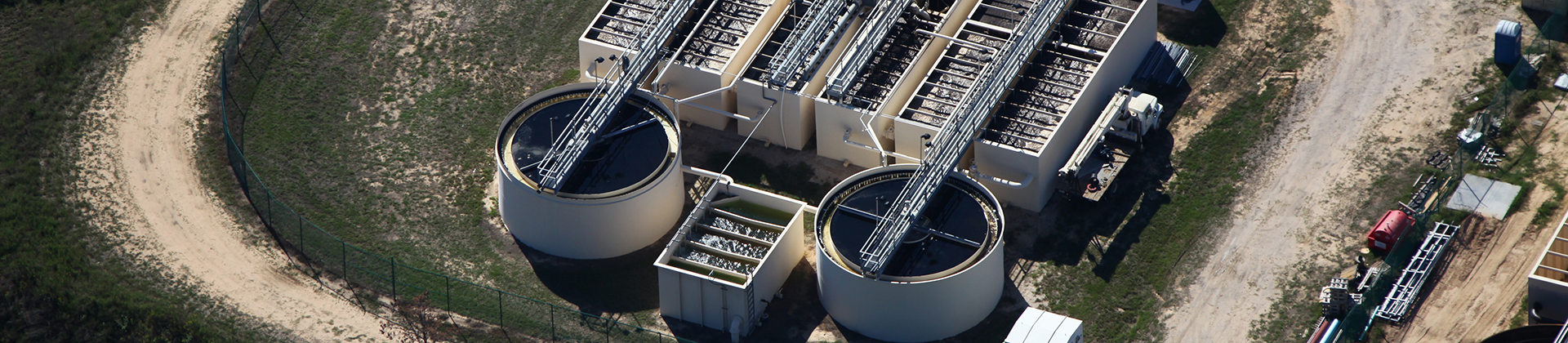
Project phasing allows municipalities to push back capacity upgrades for new growth until the new ratepayers actually arrive instead of requiring investment in a full buildout upfront. Today’s prefabricated treatment units and package plants have simplified project phasing, so project schedules can include incremental, less costly capacity increases to respond to changing growth scenarios. Phases can be moved forward on the project timeline if the community grows more quickly than expected or postponed if growth does not meet expectations. The flexibility to phase capacity can be a lifeline for small communities.
Ownership Is More Than the Purchase Price
Once construction ends, the utility still needs people and money to run the system. The demands of operations, maintenance, replacement equipment, and compliance remain.
A plant expansion might solve a treatment bottleneck while adding work that the existing staff cannot do. Utility leaders need to evaluate who will operate the added equipment, how maintenance will fit into the budget, and whether they need outside technical support.
While an affordable construction proposal is a useful starting point, a viable long-term operating plan makes it sustainable. It belongs in the discussion from the outset.
Infrastructure Models That Can Better Match a Small Utility’s Scale
AUC’s performance-based wholesale water and wastewater model bundles infrastructure delivery with long-term O&M and compliance. AUC designs, funds, builds, owns, operates, and maintains treatment infrastructure, and the customer pays through an agreement that may combine capital contributions, tap fees, and ongoing service payments.
Operational support includes certified operators, preventive maintenance, sampling, reporting, and emergency response. For small systems that could be overburdened by a project, wholesale may offer a suitable path.
AUC’s Lease Plant Program addresses the initial capital commitment through timeline-based leases. AUC retains ownership during the lease term, allowing the customer to add capacity without purchasing the plant upfront. Leasing may offer an appropriate path when a municipality needs capacity now but cannot finalize a long-term infrastructure plan yet and needs to keep more options open, or when it has the organizational resources to staff and run the system.
The same phased approach can help smaller utilities avoid investing in ultimate capacity before demand arrives. AUC’s fleet of prefabricated units allows capacity to be added incrementally as growth occurs. For a master-planned community in Harris County, AUC installed a 600,000-gallon-per-day wastewater treatment plant in four phases under a five-year lease. Commissioning and payments mirrored the corresponding development phases as they came to market, ultimately resulting in a 75% total savings over the closest competitive bid.
For small utilities with aging or underperforming infrastructure, the challenge may be less about adding new capacity and more about finding the capital and operational resources to rehabilitate an existing system.
Plan for Today’s Water Infrastructure and Tomorrow’s Community
Good infrastructure planning starts at the outset and needs to consider which delivery model suits the community’s financial position and organizational resources best while not neglecting the possibility of phasing to prevent stranded capacity. The plan needs to identify the first capacity increment, the conditions that would trigger expansion, and who will keep the system running and compliant. To discuss treatment capacity, project delivery and timing, and operational needs right from the start, contact AUC Group.